



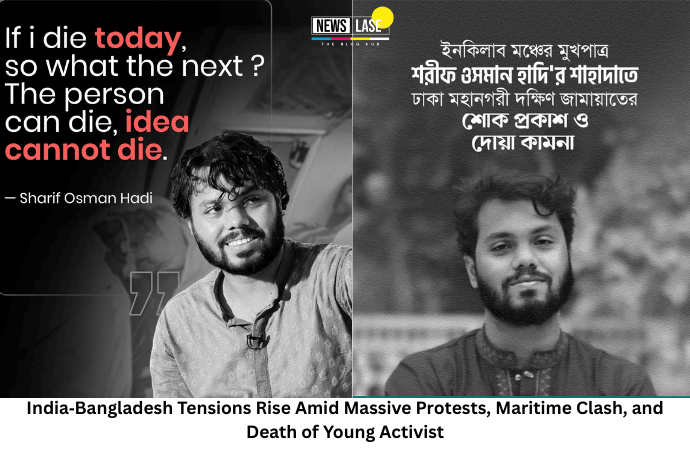
India and Bangladesh have come into contention, following massive protests, an ocean battle, and the tragic death of an activist young person. India and Bangladesh reached their boiling point in December 2025 due to a series of events: strong anti-India rallies in Bangladesh, an intense maritime battle in the Bay of Bengal, diplomatic consequences from closing visa centers, and Sharif Osman Hadi’s untimely death as 32-year-old student leader; these factors combined have transformed what was once an historically cooperative relationship into one fraught with distrust and geopolitical risk that has alarmed many both in South Asia itself as well as around the globe who monitor this region.
The India and Bangladesh’s longstanding relationship is currently under strain:
For decades, India and Bangladesh have had one of South Asia’s most critical bilateral relationships, built upon shared history, trade, culture ties, and security cooperation. Since 1971, New Delhi helped Bangladesh flourish while Dhaka played an essential part in efforts to connect this region.
Recent political instability in Bangladesh – such as Sheikh Hasina’s removal, her sentencing in absentia and subsequent unrest – has significantly altered how these two nations interact with one another. PBS+1 conducted extensive analysis on this matter.
Both capitals are now facing rising political divisions and populist discontent that threaten to spill over into security and diplomatic areas.
Bangladesh has witnessed numerous protests against India:
violence escalated quickly following Sharif Osman Hadi’s shooting and death – which occurred days earlier and resulted in massive riots across major cities such as Dhaka. This incident caused huge uprisings. Reuters provided coverage for this story.
Soon, protests turned increasingly anti-India. Protestors began chanting against India’s influence and attacking anything related to international relations or media coverage; some protesters even set fire to offices of major newspapers such as Prothom Alo and The Daily Star offices, showing signs that unrest and anger was growing rapidly. Meanwhile, The Times of India also witnessed growing unrest within Bangladeshi society.
- Protesters did not remain local: they also marched toward Indian diplomatic missions such as its High Commission and Assistant High Commission offices, prompting India to temporarily close two visa application centers located in Khulna and Rajshahi for safety concerns, According to The Indian Express: Political conditions include impending elections in Bangladesh scheduled to take place in February 2026 as well as an increase in pressure and public discourse against external forces that might impact local politics, according to Reuters.
The Bay of Bengal maritime clash makes matters worse:
Reports of an ocean battle raging between India and Bangladesh in the Bay of Bengal over issues related to fishing rights has caused tension on shore. Recent reports state that a Bangladeshi navy ship hit an Indian trawler near its maritime border, causing it to flip and killing at least one fisherman on board. Witnesses later stated that this may have been intentional as survivors suggested their lights had been disabled before hitting them intentionally; coastal officials, however, have not been able to corroborate such statements independently. Today in India. Coast Guard officials have recently been seen actively stopping Bangladeshi fishing boats from entering India’s Exclusive Economic Zone (EEZ), seizing suspected illegal fishermen vessels, and even seizing vessels altogether as a response to these events and mounting unrest. Islamabad claims these measures are meant to safeguard maritime resources while Bangladesh sees it as “provocative enforcement”, according to The Times of India.
These events have further entrenched nationalist narratives on both sides, heightening tensions in the region.
Diplomatic fallout and security ripples:
The diplomatic fallout has been immediate: these events have had immediate repercussions in terms of diplomatic relationships.
- Closing and Reopening of Indian Visa Centers:
Indian visa centers in several Bangladeshi cities were closed temporarily following protests near their embassy in Dhaka due to threats of violence and anti-India sentiment arising there, thus showing an increased concern over Indian citizens and personnel as anti-India sentiment spreads. As reported in The Indian Express. - India Brings in Ambassadors: India summoned Bangladesh’s High Commissioner in public discussion over security threats and protester behavior. Dhaka has requested calm in order to investigate violent incidents. Reuters.
- People Are Speaking Out Against India:
Political narratives in Bangladesh increasingly portray the unrest as resistance against what many view as foreign intervention, particularly following Hasina’s exile in India and her controversial pronouncements made from abroad. These stories resonate particularly among protest organizations and movements organized by young people – such as today in India!
Economic Issues in the Region:
While diplomacy and security are in turmoil, so too are economic ties which previously served as the cornerstone of cooperation between two nations:
New Delhi sees Bangladesh’s alliances with major powers like China and Pakistan as a threat to Indian dominance, making diplomacy even harder. Fair Observer+1
- Possible Ways to Calm Things Down: Even when there are disagreements, observers stress the importance of keeping dialogue going diplomatically in order to avert long-term conflicts:
- Establishing Communication Channels: New Delhi and Dhaka must create ways of talking again politically, whether this means reinstating diplomatic channels that focus solely on conflict management or common security goals.
- Investigations that are open: Investigating incidents like Hadi’s killing, maritime collisions and protest-related violence on its own could help settle complaints and stop false reports from fueling further unrest.
- Work together on the sea: Improved coordination on board ship – such as through clear communications between Indian Coast Guard and Bangladesh Navy personnel – will help avoid unnecessary clashes at sea.
- Building Trust in the Economy: Strengthening links between individuals, streamlining commercial routes and restarting collaborative development initiatives could all be key to breaking through political fog.
Conclusion
In summary, South Asia has witnessed a defining moment.
Tensions between India and Bangladesh during late 2025 marked by rallies against India, skirmishes at sea, visa center closures and the death of young protester — represent one of the largest ruptures between these two nations since.
Worked together previously was crucial in building strong bonds; but due to political unrest in Bangladesh and some security incidents that threaten regional peace, their relationship has evolved into one requiring delicate balance between national interests and regional peace.
Following are three steps which will have a profound effect on India-Bangladesh relations as we move through 2026 and beyond.